
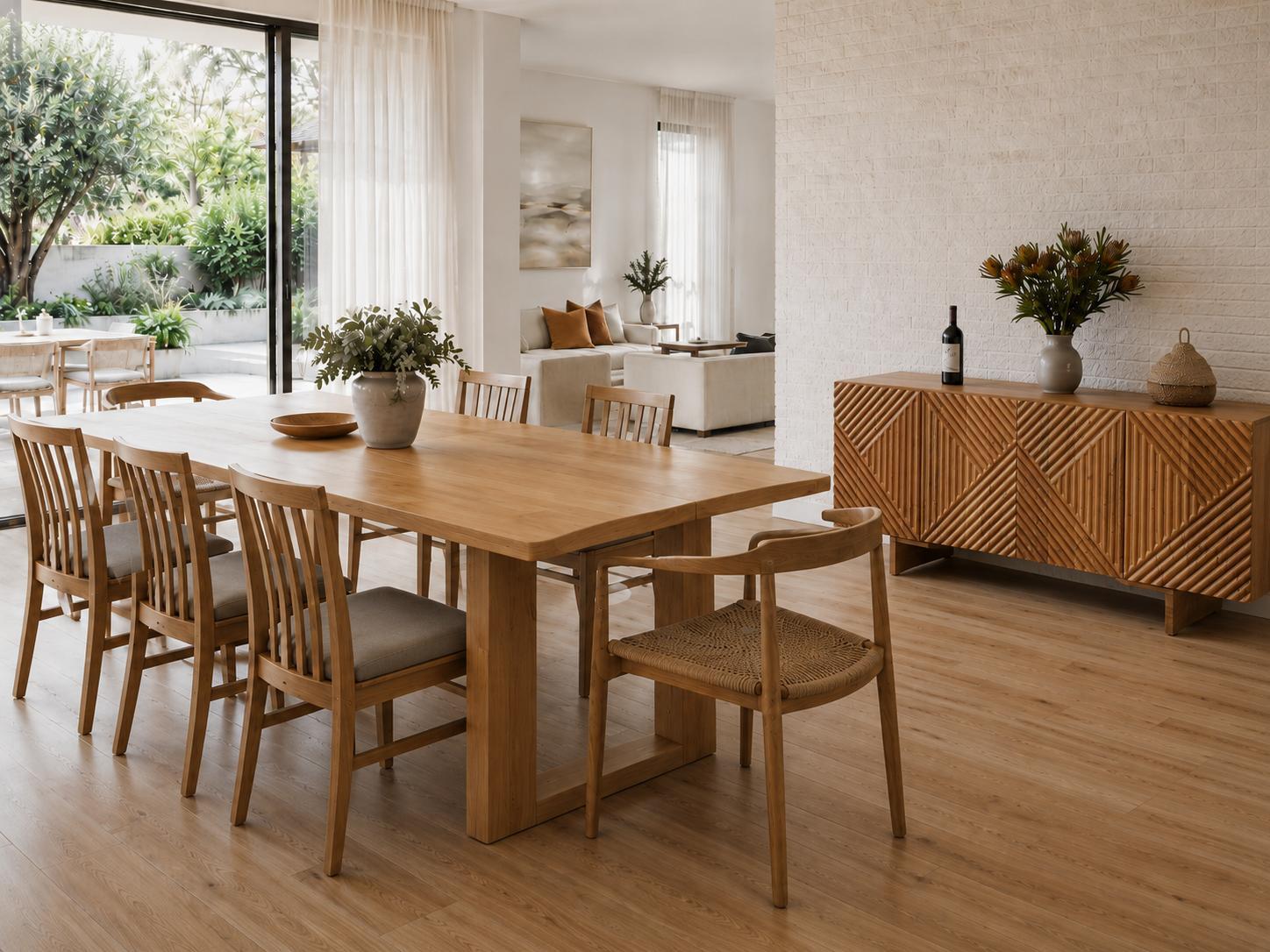
Your Roomlane furniture is made to be part of everyday life for years to come. Every piece we make uses natural materials — solid timber, veneer, marble and stone, jute and other woven fibres — chosen for how beautifully they age, not just how they look on day one. This guide brings together simple, practical habits that help those materials stay beautiful for longer, whether the piece is brand new or has been part of your home for years.
Keep this guide handy, or share it with family and friends. Good furniture shouldn't feel disposable — a little everyday care goes a long way.
This guide covers:
- Five everyday habits that protect natural furniture in Australian conditions
- Why natural timber expands, contracts and changes character over time
- Material-by-material care — solid timber, veneer, marble and stone, jute and woven fibres, and fabric upholstery
- What to avoid, so small habits don't turn into lasting damage
- How to reach Roomlane if you're ever unsure how to care for a piece
The five everyday care rules
These five habits form the foundation of caring for any natural-material piece in your home. They take only moments, and together they make the biggest difference to how furniture looks and feels over time.
- Protect from strong direct sunlight
Australian homes can get strong afternoon sun. Use curtains, blinds or thoughtful room placement to reduce long daily exposure and avoid uneven fading across a piece. - Keep heat away where possible
Avoid placing furniture directly beside heaters, fireplaces or strong air-conditioning vents. Use trivets or placemats under hot items to protect surfaces from sudden temperature changes. - Wipe spills quickly
Water, plant pots, wet glasses and damp cloths can all mark natural surfaces. Wipe spills with a soft cloth as soon as you notice them, then dry the area thoroughly. - Use small protectors daily
Coasters, placemats, felt pads and trays are simple daily habits that meaningfully reduce scratches, water rings and general everyday wear. - Expect natural character
Grain, knots, colour variation and small changes over time are normal in natural materials. These are part of a piece's character, not a defect — they're what make it uniquely yours.
Why natural timber can move
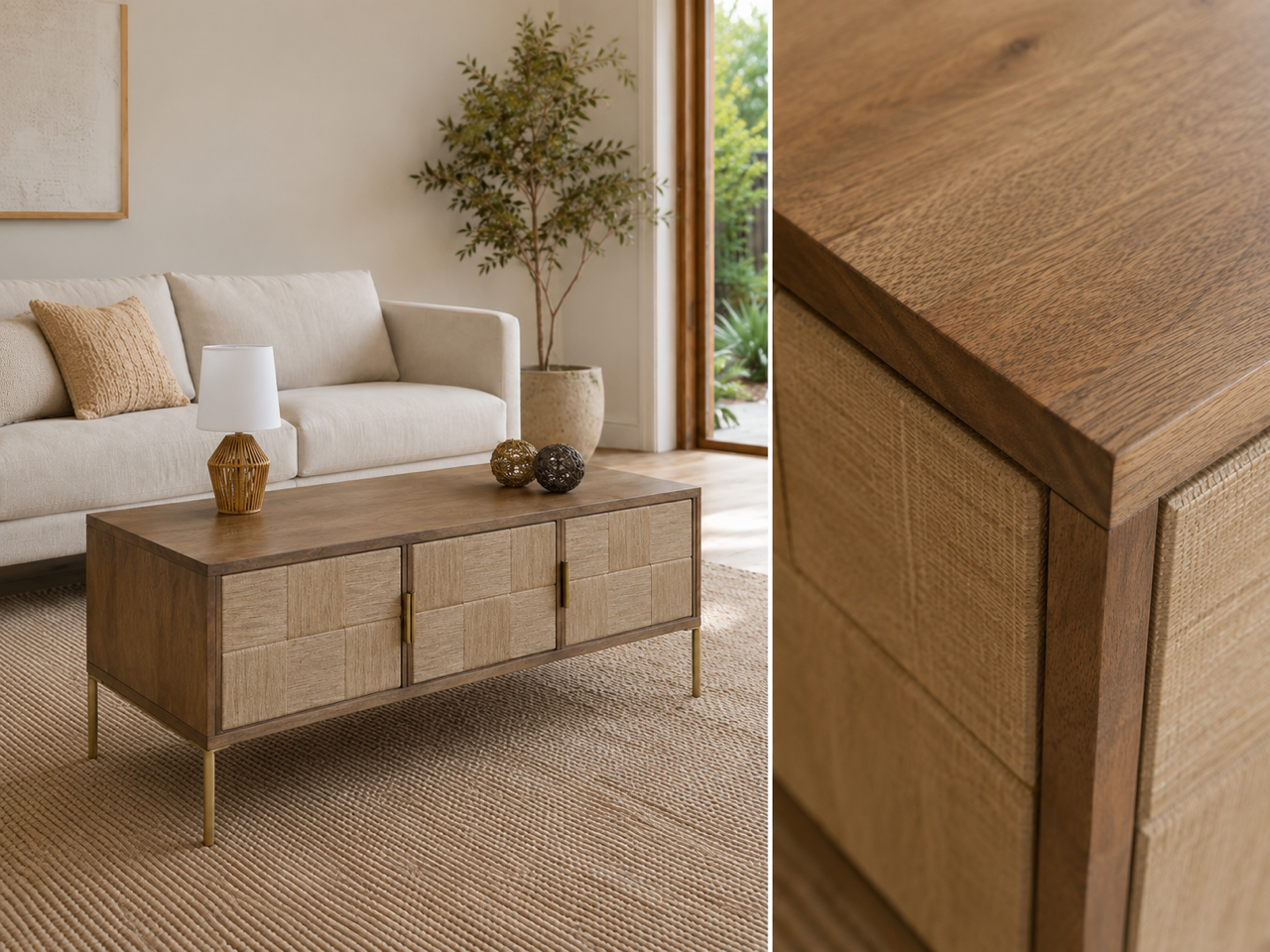
Wood reacts to the room around it. As humidity changes through the seasons, timber naturally absorbs or releases moisture — which is why solid timber pieces can expand, contract or show small changes over time, particularly near strong heat, dry air, damp rooms or sudden shifts in environment.
The goal isn't a perfectly controlled environment. It's simply avoiding extremes — constant direct sun, ongoing moisture, sudden heat, or rough cleaning — so your furniture can settle naturally into your home.
Care by material
Different natural materials need slightly different care. Here's a quick reference for each one used across the Roomlane range.
1. How to care for solid mango or acacia wood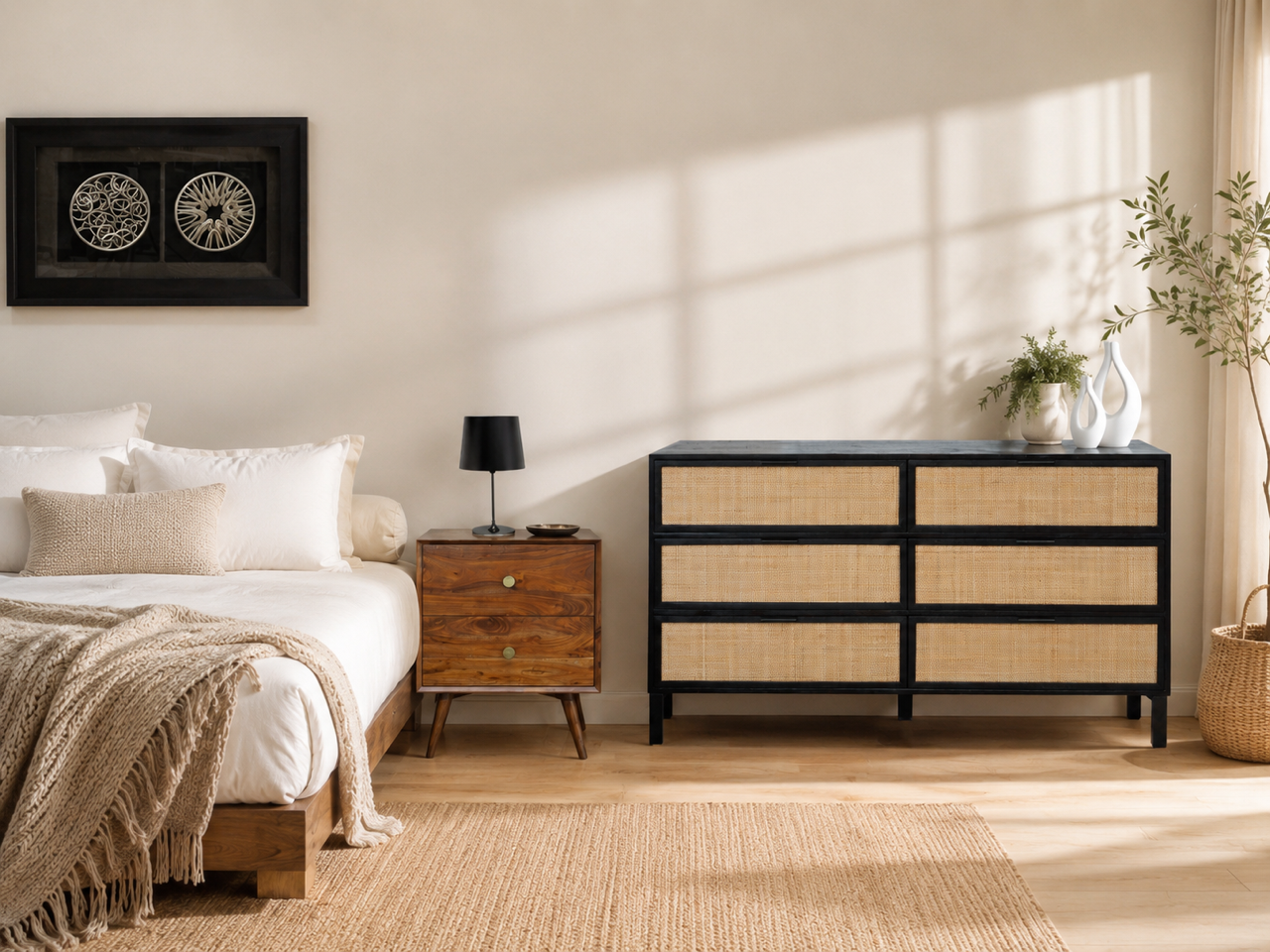
- Regularly dust the surface with a clean, soft cloth to keep the grain looking its best.
- Use coasters, placemats and trivets under wet or hot items to prevent rings and marks.
- Wipe up spills as soon as they happen, and keep the piece away from strong direct sunlight or nearby heat sources.
2. How to care for timber veneer
- Dust the surface gently with a soft cloth — veneer is real timber, so it deserves the same care as solid wood.
- Avoid soaking the surface or scrubbing heavily; a light touch protects the thin timber layer.
- Skip harsh cleaning products — moisture protection matters just as much for veneer as it does for solid timber.
3. How to care for marble or stone
- Use coasters and mats under food and drink, especially acidic items like coffee, citrus or wine.
- Wipe up spills quickly to help prevent staining or etching of the surface.
- Avoid abrasive cleaners, and don't drag objects across the surface, as this can scratch or dull the finish.
4. How to care for jute, rattan or woven details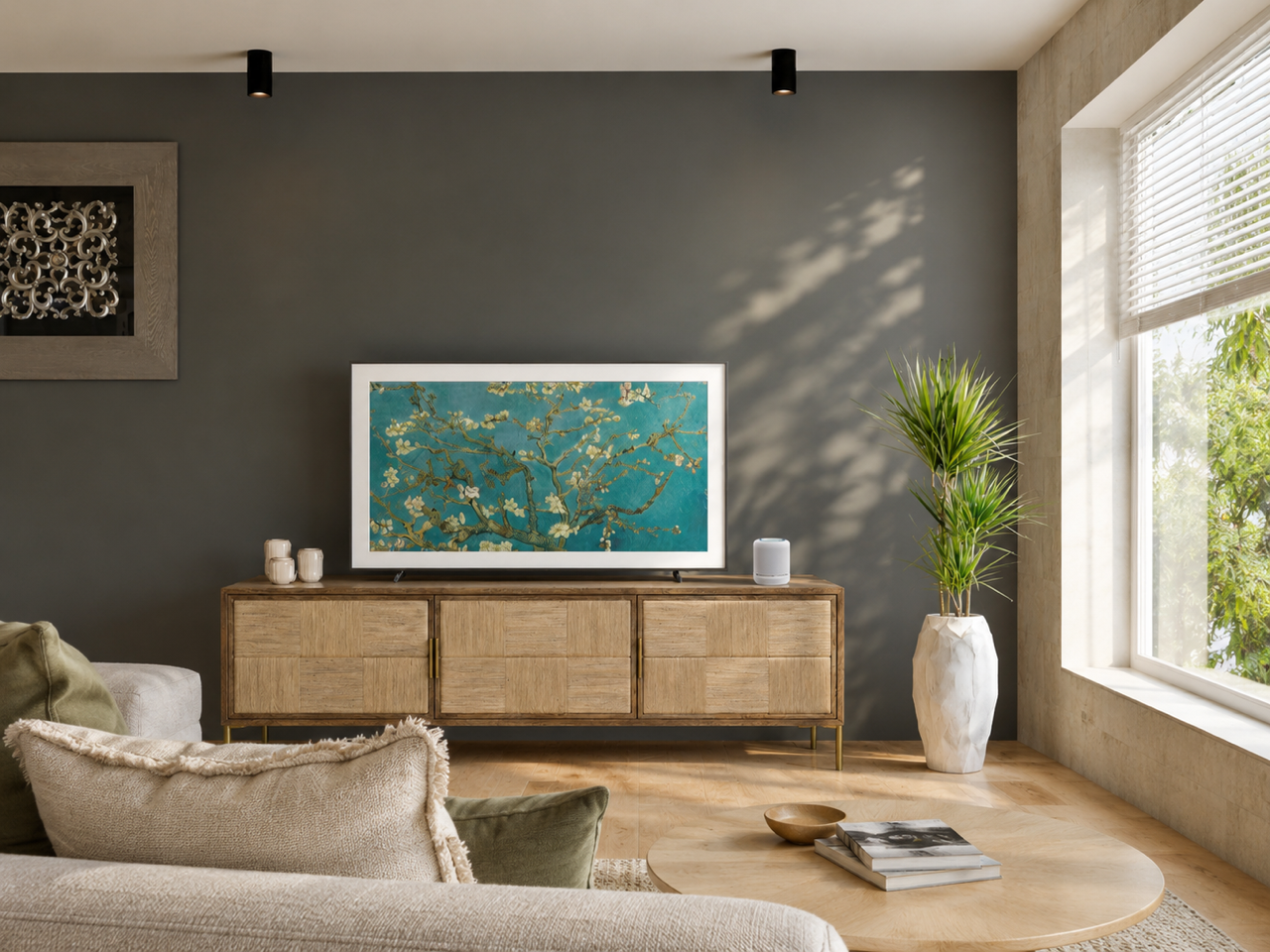
- Dust gently with a soft brush or cloth to remove everyday dust and debris.
- Keep woven pieces dry and away from prolonged damp conditions.
- Avoid soaking or scrubbing natural fibres — rough handling can affect their strength and appearance over time.
5. How to care for fabric beds or upholstery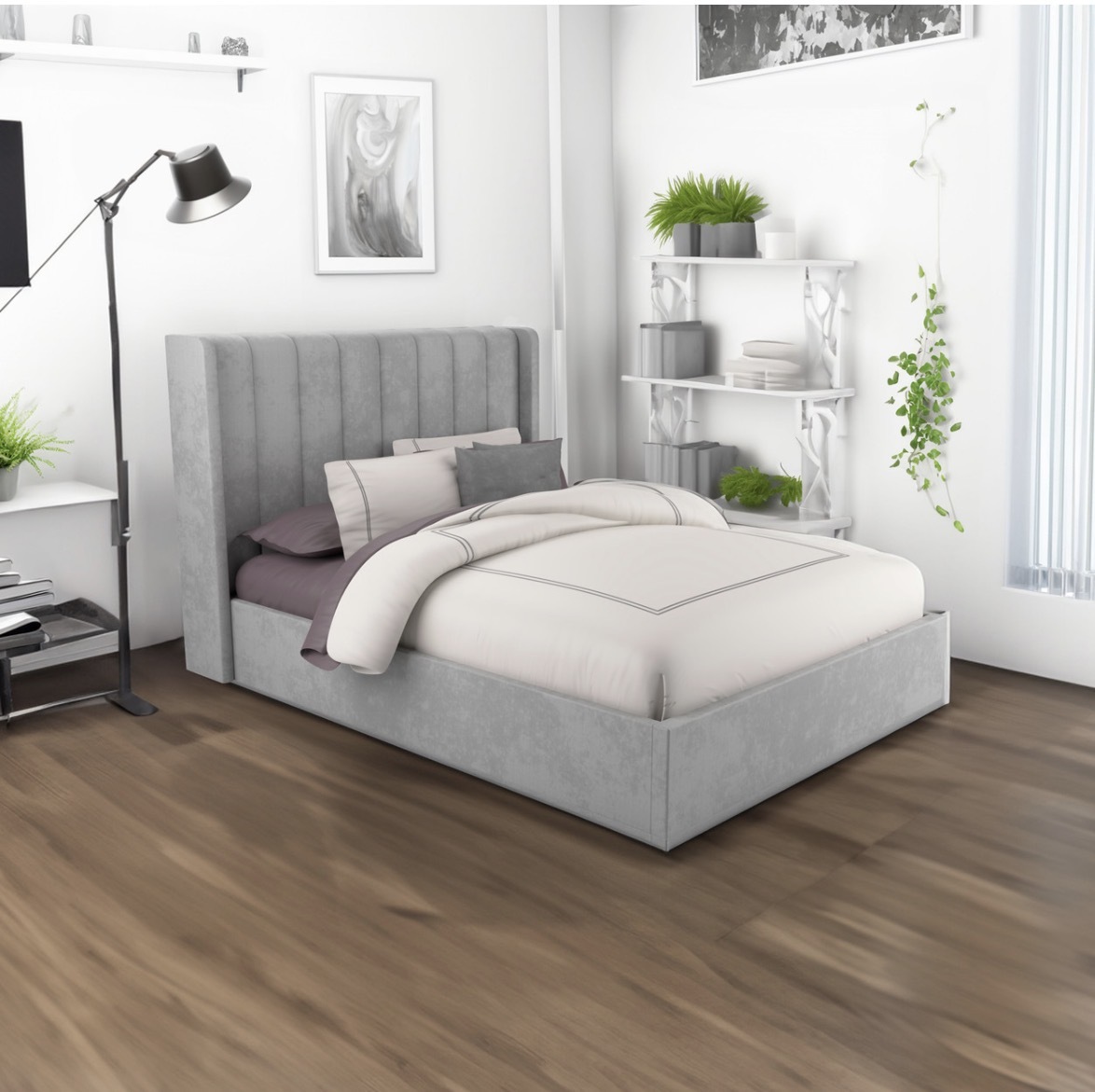
- Vacuum gently on a regular basis to remove dust and everyday debris.
- Rotate cushions where relevant, and keep the piece away from harsh direct sunlight.
- Always follow the fabric-specific care label where one is supplied.
What to avoid
- Leaving wet glasses, plant pots or damp cloths directly on timber surfaces.
- Placing hot cups, pans or serving dishes directly on furniture without a trivet or mat.
- Spraying cleaning products directly onto timber or veneer, unless the product's care instructions clearly allow it.
- Dragging heavy objects across tabletops, shelves or marble surfaces.
- Positioning natural furniture in rooms with constant dampness or extreme heat.
Need help?
If you own a Roomlane piece and you're ever unsure how to care for it, reach out to us with the product name and a photo of the surface in question. We're always happy to guide you through the right approach.
Quick care takeaways
- A few minutes of daily care — coasters, wiping spills, dusting — protects furniture far more than occasional deep cleaning.
- Keep natural furniture away from constant direct sun, heat sources and damp conditions.
- Wipe spills immediately; a fresh mark is always easier to manage than an old one.
- Grain, colour variation and small movement in timber are normal characteristics, not faults.
- When in doubt, contact the Roomlane team before using any cleaning product you're unsure of.